Konbanwa, mina-san.
Jeremi desu.
nature!:
An lesson based on nature.
 (Arigatou!)
I'd like to give a warm welcome to the influx of blog viewers that my blog has experienced over the past few days, your commitment is applauded! Such commitment and dedication to all things Japanese, it requires a reward, does it not? Well! Do I have a proverbial treat for you! ! I've made some major fundamental changes to my blog to make it more it much more user friedly.
What is the lesson based on today, you anxiously ask? Today's theme is nature (a beginner's lesson, everyone can join in!) As for the article? It is based on a major aspect of Japanese culture, the core aspect of Japanese beliefs, Shintoism. Ganbatte kudasai! (Please try your best!)
Anyway, on to this new user friendlyness! I've looked over my previous blog posts, and have decided to make dramatic improvements. To make my posts more interesting, I'll be incorporating more images and will be using a consistent format. I'll also now will be ranking my lessons in terms of difficulty, to gauge its intensity. (E.g beginner, intermediate, etc)
2011 Japan is dedicated to user-friendly and informative bloggin'!
Beginner's lesson: Nature.
Nature in Japan, its picturesque beauty is internationally known and sought after, truly an awe-inspiring sight. Nature is an aspect of Japan that is difficult to ignore, therefore it is important to adjust your vocabulary in such a way that nature related words is known.

.jpg)
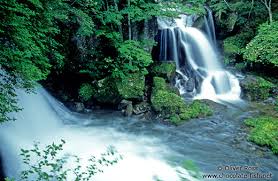
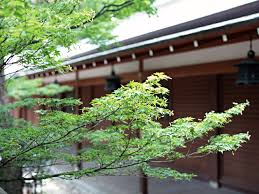
The Japanese word for tree, is quite simple, but important= Ki (Pronounced key)
Ano ki wa ippai desu ne- Isn't that tree full (lush)? Ano- That, Ki-tree, ippai-full, desu ne- Isnt it.
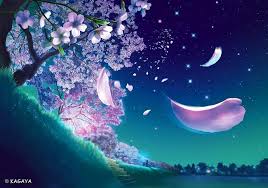
SAKURA NO KI (Sakura- Cherry blossom, No- possesive particle)
Sakura tree.
(A quick basic gammar recap for those completely new to Japanese, or 2011 Japan: Look at the grammar of that sentence, it's Subject Object Verb ordered as opposed to English's SVO sentence structure. Note: That sentence doesn't demonstrate it too much, but the "isn't it" is at the end of the sentence. Don't worry, the grammar will come instinctively!)
The Japanese word for grass is= Kusa. (Koo-sah)
So, in a sentence:
Kusa wa midori desu ne- The grass is so green, isn't it? (Midori is Japanese for green!)
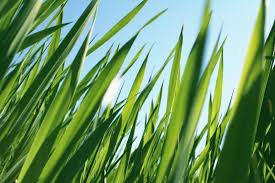
KUSA - GRASS
In many Japanese forests, moss and fungi are in abundance, it's seen as a thing of beauty in Japan. The two words are very easy to remember in collaboration, they're quite similar!
Kinrui is the Japanese word for fungi! Where as Senrui, is the Japanese word for moss!
 SENRUI (MOSS!!)
 KINRUI (FUNGI!)
In Japanese, the word for a path, is known as "komichi".

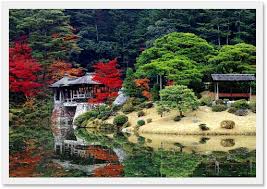
As you can most likely tell from the above image, paths are incorporated into Gardens quite efficiently in Japan. Hah! Silly me! We've gone quite into the lesson, and yet, we don't know an immensely important word! Garden! Which translates to Shakkei in Japanese. Write, visualise it, REMEMBER IT AND BURN IT INTO YOUR MIND. ;)
 Shakkei- Garden
So we know the word for tree, what about its foilage? How could we possibly not know the word for leaf! I shall enlighten you with the Japanese word for leaf! It's.. quite complex, so brace yourselves... *breaths in* it's ha!No really, Ha means leaf, easy right?!
 HA - LEAF
Mezuumi, the Japanese word for lake, interesting isn't it? I know! ( Mizu is the Japanese word for water, mezuumi seems to borrow the word for water).
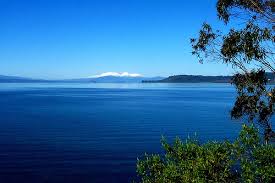 Mezuumi- lake.
  Mizu- water.
Rocks, they're awesome aren't they? So much entertainment to be had with pet rocks!.. Err, anyway, the Japanese word for rock is Iwa.
 Iwa! Rock!
Okay guys, I've been preparing you for this moment, I don't know, it's pretty intense.
The Japanese word for soil, is.... Do. (Pronounced Doh).
You couldn't possibly forget that word, could you?
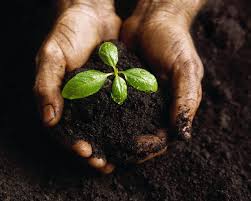 Do- Soil
The Japanese word for plant, is Shokubutsu. Nothing much else to expand on here!
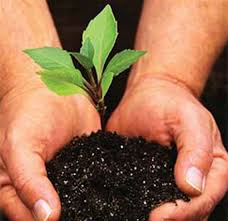 Shokubutsu- Plant.
Finally, our last vocabulary word we will learn today is Hana. Hana means flower in Japanese.
 Sakura no hana- Sakura flower.
Thank you,
that's our lesson for today!


 Posts
Posts



No comments:
Post a Comment